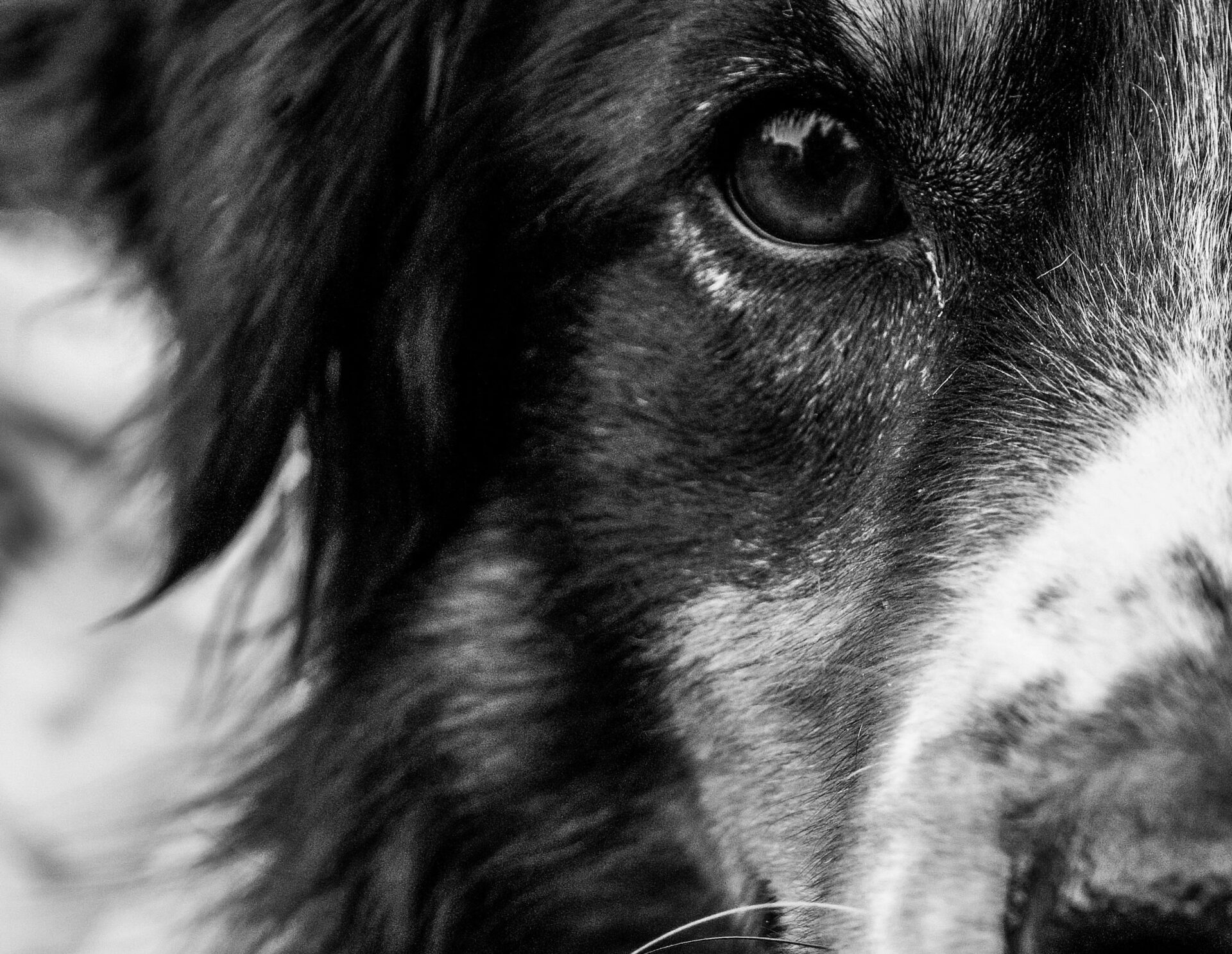
On the 29 lives found in a dumpsite, the meaning of compassion, and the society we are becoming.
I am minding my own life, and I often avoid reading my social media feeds because there is just so much noise. But that can only be avoided for a time because I manage several social media accounts. Whether I like it or not, I need to log in, scroll through updates, and keep myself informed.
One of the most heartbreaking news stories I have come across recently was about the 29 furbabies found in a dumpsite.
For a while, I ignored it. I refused to read further or research what had happened because I knew my heart would be shattered into pieces.
But here I am, at this ungodly hour, still bothered by that news.
I don’t even know how to begin imagining what the families of those innocent furbabies must be going through. How do you begin to process something so cruel? How do you make sense of the thought that animals you once welcomed into your homes, fed, loved, and considered family could end up in circumstances so heartbreaking?
Perhaps to someone who has never loved an animal, this is just another news story. Something they read, react to, and eventually forget.
But to furparents who consider their animals family, the pain is unimaginable. These are not just animals. They are companions who wait for us to come home, little creatures who recognize our voices, who find comfort in our presence, and who trust us with their lives.
And that trust should never be taken lightly.
I found myself reflecting and asking difficult questions.
Is this the society we are living in now? Are we becoming so accustomed to cruelty that even the suffering of innocent lives no longer moves us? Are we slowly becoming a society that knows how to inflict pain but has forgotten how to feel it?
Have we become so comfortable with the idea that some lives matter less than others?
And whatever happened to the fear of consequences? Are we no longer afraid of karma? Of accountability? Of having to answer for the pain we deliberately cause?
I know that not everyone loves animals. I don’t expect everyone to become a furparent, open their homes to strays, or spend their hard-earned money feeding animals they don’t even know.
I understand that not everyone has the means to rescue, adopt, or provide shelter.
But surely, not having the capacity to care does not give anyone the right to be cruel.
You don’t have to love animals to leave them unharmed. You don’t have to feed every stray you encounter, but you can choose not to hurt them. You don’t have to understand the attachment someone has to their pets, but you can respect that bond.
Compassion should not be conditional on whether we personally understand someone’s love.
And perhaps that is what troubles me most. Because when cruelty becomes something we can casually dismiss, we begin to lose something far more important than our ability to feel sorry for animals. We lose a part of our humanity.
I often think about the children growing up in this generation. What are they learning from the world around them? What do they see when they witness animals being mistreated? What do they learn when cruelty goes unchallenged, when accountability is absent, or when the suffering of another living being becomes nothing more than something to scroll past?
I worry about the future generation, not because I expect every child to grow up rescuing animals, but because I hope they grow up understanding that kindness is a choice we make even when there is nothing to gain from it.
I hope they learn that strength does not come from having the power to hurt something weaker. That being human does not automatically make us superior in character. And that compassion is not a weakness, but a responsibility that comes with having the ability to understand suffering.
I have always believed that we don’t need to do extraordinary things to make a difference.
Sometimes, it is as simple as leaving a bowl of food and clean water for a hungry stray. Sometimes, it is choosing to slow down when an animal crosses the road. Sometimes, it is reporting abuse instead of looking the other way. Sometimes, it is simply refusing to participate in cruelty.
Not everyone can rescue. Not everyone can shelter. Not everyone can afford veterinary care.
But everyone can choose not to harm.
And if you have the means to do a little more, then perhaps you can.
Feed one. Help one. Protect one. Speak for one.
Because these lives are not disposable. They are not things to be discarded when they become inconvenient. They are living beings capable of feeling fear, pain, comfort, and attachment. They deserve to be treated with dignity.
I don’t know what the future holds, and I cannot pretend that one article, one post, or one person’s outrage will change everything.
But I refuse to believe that cruelty should become something we simply learn to live with.
I want to believe that there are still more people willing to protect than to harm. More people who will stop when they see an animal in need. More people who understand that kindness does not have to be grand to matter.
And perhaps that is where we begin.
Not by asking everyone to become an animal lover, but by asking everyone to remain human.
If you can’t feed them, don’t hurt them.
If you can, feed one.
And if you cannot do either, at the very least, leave them in peace.
Because a society should never be measured only by how well it treats those who can speak, fight back, or demand justice. Sometimes, it is also measured by how it treats the most vulnerable among us.
And I hope we never become a society that has forgotten how to protect them.
*image: natalia trofimova / unsplash
